





You are not alone if omega labels feel confusing. The EPA DHA ALA omega-7 difference is actually simple: EPA, DHA and ALA belong to the omega-3 family, while omega-7 is a separate fatty-acid family commonly associated with palmitoleic acid. Sea buckthorn purée enters the conversation because the berry has a naturally varied fatty-acid profile, but it should not be confused with a concentrated source of EPA and DHA.
The word “omega” appears on fish oil, algae oil, flaxseed, chia seeds and sea buckthorn products. That can make very different foods and supplements look interchangeable when they are not. The goal of this guide is to make the labels easier to understand before you buy anything.
Why the Word “Omega” Creates So Much Confusion
Walk through a supplement aisle and you will see omega-3, omega-6, omega-7 and omega-9 printed in large letters. Then the smaller text adds more acronyms: EPA, DHA and ALA.
It can feel like a code you were expected to learn somewhere along the way.The numbers are not a ranking system. Omega-7 is not automatically “better” than omega-3 because seven is a higher number. Omega-3 is not one single nutrient. It is a family of fatty acids.
The omega number tells scientists where the first double bond appears in the fatty acid chain when counted from one end of the molecule. You do not need to memorize the chemistry. The useful takeaway is that omega-3 and omega-7 belong to different structural families.
Within the omega-3 family, ALA, EPA and DHA are also different fatty acids. They are related, but they are not identical.
EPA DHA ALA Omega-7 Difference at a Glance
| Name | Full Name | Fatty-Acid Family | Common Food Sources | The Simple Explanation |
|---|---|---|---|---|
| EPA | Eicosapentaenoic acid | Omega-3 | Fatty fish, seafood and algae-derived sources | A long-chain omega-3 |
| DHA | Docosahexaenoic acid | Omega-3 | Fatty fish, seafood and algae-derived sources | Another long-chain omega-3 |
| ALA | Alpha-linolenic acid | Omega-3 | Flax, chia, walnuts, canola oil and some plant foods | A plant-based essential omega-3 |
| Omega-7 | Often refers to palmitoleic acid | Omega-7 | Sea buckthorn pulp oil and some other foods | A separate fatty-acid family, not an omega-3 |
The NIH Office of Dietary Supplements identifies ALA, EPA and DHA as the three main omega-3 fatty acids. ALA contains 18 carbon atoms, EPA contains 20 and DHA contains 22. EPA and DHA are commonly described as long-chain omega-3s.
Source: NIH Office of Dietary Supplements,Omega-3 Fatty Acids: Fact Sheet for Health Professionals.[1]
What Are EPA and DHA?
EPA stands for eicosapentaenoic acid. DHA stands for docosahexaenoic acid.
These are the omega-3s people usually mean when they talk about fatty fish, seafood, fish-oil capsules or algae-derived omega products. EPA and DHA are often placed together because they are both long-chain omega-3 fatty acids.
DHA is a structural component found in tissues including the brain and retina. EPA is also widely studied as part of the omega-3 conversation. That does not mean every shopper needs the same product or serving size. It means EPA and DHA are distinct compounds with a strong body of research behind them.
For someone comparing products, the main question is not simply, “Does this contain omegas?” A better question is:
Which omega fatty acids does it contain, and what am I trying to add to my diet?
A fish-oil product, an algae-derived DHA product and a whole-fruit purée should not be treated as identical products simply because the label mentions omegas.
What Is ALA?
ALA stands for alpha-linolenic acid.
It is an essential omega-3 fatty acid, which means the body cannot make it on its own. It must come from food. ALA is commonly found in plant foods such as flaxseed, chia seeds, walnuts and certain vegetable oils.
ALA is important, but it is not the same thing as EPA or DHA.
The body can convert some ALA into EPA and then DHA. However, the NIH notes that this conversion is limited. For that reason, consuming EPA and DHA directly from food or an appropriate supplement is the practical way to increase their levels in the body when that is the goal.
Source: NIH Office of Dietary Supplements, Omega-3 Fatty Acids: Fact Sheet for Health Professionals.[1]
This is one of the biggest sources of confusion in plant-based omega conversations.
A product can contain ALA without being an equivalent replacement for a concentrated EPA and DHA product. Both can have a place in a balanced diet. They simply need to be compared honestly.
What Is Omega-7?
Omega-7 is a different fatty-acid family.
In wellness conversations, omega-7 usually refers to palmitoleic acid. Unlike ALA, EPA and DHA, palmitoleic acid is not an omega-3. It is a monounsaturated fatty acid.
Sea buckthorn is especially interesting because its pulp oil is naturally associated with palmitoleic acid. Research has shown that different parts of the berry have different fatty-acid profiles.
A 2012 study on sea buckthorn described the seed oil as rich in linoleic acid, an omega-6 fatty acid, and alpha-linolenic acid, the plant-based omega-3 known as ALA. The pulp oil was associated with higher levels of palmitoleic acid, the omega-7 fatty acid.
Source: Fatima et al.,Fatty Acid Composition of Developing Sea Buckthorn Berries., BMC Plant Biology, 2012.[2]
These studies describe the fatty-acid profiles found in sea buckthorn berry oils. They do not establish the amount of omega-7, ALA or any other fatty acid in a specific pouch of purée. Any product-specific nutrient statement should be supported by current batch testing and the applicable Canadian food-labelling requirements.
An earlier study also found that palmitoleic acid levels varied across sea buckthorn pulp, peel and whole-berry oils.
Source: Yang and Kallio, Fatty Acid Composition of Lipids in Sea Buckthorn Berries of Different Origins, Journal of Agricultural and Food Chemistry, 2001.[3]
That variation is important. Sea buckthorn is a fruit, not a standardized isolated molecule. Its natural composition can shift depending on the variety, growing conditions, berry part and processing method.
Omega-7 has become an interesting point of conversation because many shoppers recognize omega-3 but have never learned what omega-7 means. It is one part of a larger fatty-acid conversation, not a replacement for EPA, DHA or ALA.
Omega-6 and Omega-9 Belong in the Glossary Too
Sea buckthorn conversations often include omega-3, omega-6, omega-7 and omega-9 together, so it helps to understand the wider picture.
Omega-6 includes fatty acids such as linoleic acid. It is a polyunsaturated fat found in many plant foods and oils.
Omega-9 includes fatty acids such as oleic acid. It is a monounsaturated fat also found in familiar foods such as olive oil and avocado.
These fats are not interchangeable either. They are different families with different structures. A varied diet can contain several types of fatty acids at the same time.
This is why the phrase “full-spectrum omegas” should be understood carefully. It can describe a broader natural fatty-acid profile, but it should not be used to imply that one food replaces every other omega source.
Why One Omega Does Not Automatically Replace Another
Here is the beginner-friendly rule:
Shared category does not mean shared function.
ALA, EPA and DHA are all omega-3 fatty acids, but they are not identical. Omega-7 is a different family altogether. Omega-6 and omega-9 add further layers to the conversation.
Think of it like fruit. An orange, a blueberry and an avocado are all foods. That does not make them nutritionally interchangeable. Each one brings something different to the table.
The same logic applies to fatty acids.
A shopper who wants a direct source of EPA and DHA may look toward seafood or algae-derived options. Someone who wants to add ALA-rich plant foods may choose flax, chia or walnuts. Someone interested in a whole-berry food with a naturally diverse fatty-acid profile may become curious about sea buckthorn purée.
These choices do not need to compete with each other. They need to be understood clearly.
Where Sea Buckthorn Purée Fits Into the Conversation
Sea buckthorn purée belongs in the omega conversation because different parts of the berry naturally contain different fatty acids. Sea buckthorn seed oil is associated with linoleic acid and alpha-linolenic acid, while the pulp oil is known for containing palmitoleic acid, commonly called omega-7.
That makes it different from a capsule designed to deliver one isolated compound or a concentrated combination of EPA and DHA.
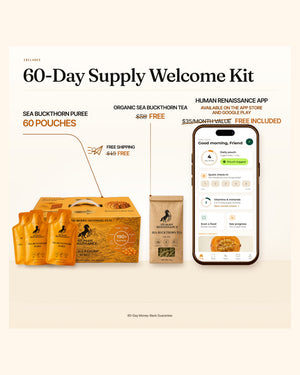
Human Renaissance wild-harvested sea buckthorn puree is a whole-berry food-form option for shoppers who want to add sea buckthorn to a simple daily routine.
For a closer look at the whole-food perspective, read Why Sea Buckthorn Purée Feels Like Food. To understand why omega-7 receives so much attention, read Omega-7: The Best Omega You’re Missing.
A Simple Checklist Before Comparing Omega Products
Before buying anything, ask five questions:
-
Which fatty acids are actually present: ALA, EPA, DHA, palmitoleic acid or a broader mix?
-
Is the product a whole food, an oil, a capsule or an isolated concentrate?
-
Is the amount per serving clearly stated and supported by testing?
-
Am I looking for a direct EPA and DHA source, a plant-based ALA food or a broader whole-food addition?
-
Does the marketing explain the difference clearly without suggesting that every omega is interchangeable?
Clear labels make better decisions possible.
Frequently Asked Questions
Q: What is the EPA DHA ALA omega-7 difference?
A: EPA, DHA and ALA are all omega-3 fatty acids, but they are not identical. ALA is commonly found in plant foods, while EPA and DHA are commonly associated with seafood and algae-derived sources. Omega-7 is a different fatty-acid family, commonly associated with palmitoleic acid in sea buckthorn conversations.
Q: Is omega-7 the same thing as omega-3?
A: No. Omega-7 is a separate fatty-acid family. In sea buckthorn conversations, omega-7 usually refers to palmitoleic acid.
Q: Can the body turn ALA into EPA and DHA?
A: The body can convert some ALA into EPA and DHA, but the conversion is limited. When increasing EPA and DHA is the specific goal, direct dietary sources are generally the more practical route.
Q: Does sea buckthorn contain omega-7?
A: Sea buckthorn pulp oil and whole-berry oils are known for naturally containing palmitoleic acid, commonly called omega-7. The exact amount can vary depending on the berry variety, plant part and processing method. Product-specific amounts should be confirmed through batch testing.
Q: Can sea buckthorn purée replace fish oil or algae oil?
A: Not automatically. Sea buckthorn purée is best understood as a whole-berry food with a naturally diverse profile. Fish-oil and algae-derived products are different categories commonly used when someone is specifically looking for EPA or DHA.
Final Takeaway
You do not need to become a biochemist to shop more confidently.
Remember this:
EPA, DHA and ALA are related omega-3 fatty acids. Omega-7 is different. Sea buckthorn purée fits into the conversation as a whole-berry food, not as a shortcut around understanding the difference.
The best wellness routines are not built on louder labels. They are built on clearer choices.
Explore: Human Renaissance Sea Buckthorn Purée
This article is for general educational purposes and is not medical advice. Speak with a qualified healthcare professional before making major dietary changes, especially during pregnancy, while breastfeeding, when taking medication or while managing a medical condition.
Sources
[1] NIH Office of Dietary Supplements.Omega-3 Fatty Acids: Fact Sheet for Health Professionals.
[2] Fatima T. et al. Fatty Acid Composition of Developing Sea Buckthorn Berries. BMC Plant Biology, 2012.
[3] Yang B., Kallio H. Fatty Acid Composition of Lipids in Sea Buckthorn Berries of Different Origins Journal of Agricultural and Food Chemistry, 2001.


